
Last Updated: November 21, 2026
Quick Summary
To keep spiders out of your house naturally, start by sealing the gaps they use to enter. Fit door sweeps, seal cracks around frames, repair torn flyscreens and cover vent grates with fine mesh. Then cut back the clutter, webs and insects that draw them in. Natural sprays give only a short-term extra.
- Fit door sweeps to all external doors and seal cracks around frames.
- Repair torn flyscreens and cover vent grates with fine mesh.
- Vacuum corners, under furniture and behind appliances each week.
- Keep peppermint oil sprays away from pets and small children.
- Reapply natural sprays regularly, since their scent fades within days.
Table of Contents
- Why Spiders Get Into Homes in the First Place
- Spider-Proofing Doors and Windows to Block Entry Points
- Natural Spider Repellent Options and What the Evidence Shows
- Cleaning and Decluttering Habits That Discourage Spiders
- Pet-Safe and Child-Safe Ways to Keep Spiders Out
- How to Prevent Spiders in the House With a Monthly Routine
- Booking Trident Pest Control When Prevention Is Not Enough
- Frequently Asked Questions
Why Spiders Get Into Homes in the First Place
Spiders rarely set out to move in. They wander in looking for insects, shelter, or a dry place to wait out bad weather. Once inside, they stay where the food is.
Most house spiders enter through tiny gaps that people never notice. A gap under a door, a torn flyscreen, or a loose vent grate is enough.
Knowing the entry points is the first step. Keep the pantry and laundry tidy, because those rooms attract the insects spiders hunt. Warm spring and summer nights often bring more insects to outside lights, and spiders follow the food.
Spider-Proofing Doors and Windows to Block Entry Points
Physical blocking works better than any spray. If a spider cannot get in, nothing else matters.
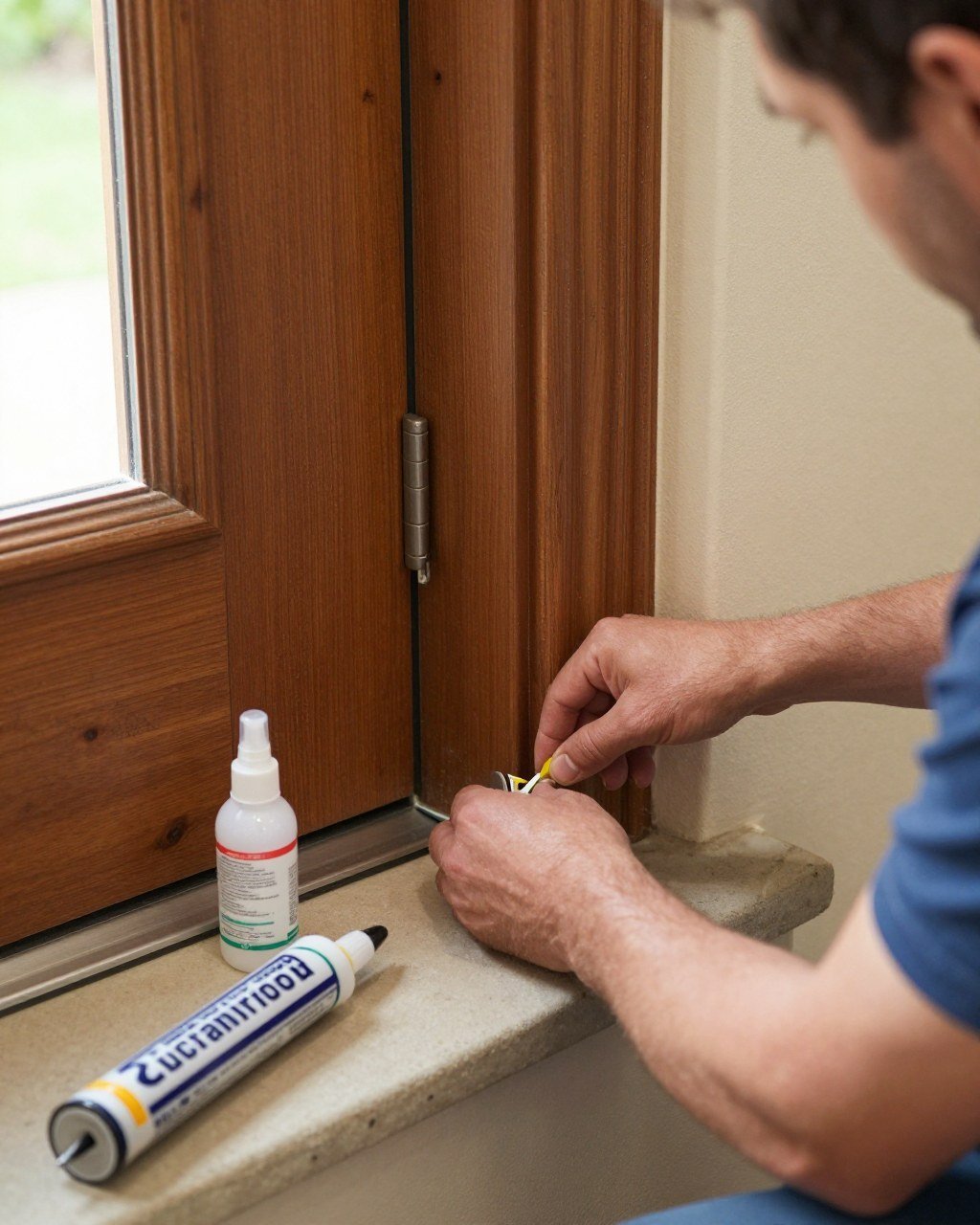
Start with the doors. Check the gap under each external door. Fit a door sweep or a strip of draught seal along the bottom. Then look at the frame edges for cracks.
Next, check the windows. Make sure the flyscreens sit tight in their frames, with no tears or gaps at the corners. Repair small holes with fine mesh patches.
Here is a quick checklist to work through:
- Fit door sweeps to all external doors
- Seal cracks around door and window frames with silicone or caulk
- Repair torn flyscreens and check the edges
- Cover vent grates with fine mesh
- Trim plants and branches so they do not touch the walls
Watch out: Do not seal every gap in a room with poor airflow, as damp can build up behind the sealant. Leave vents open and seal the gaps around the outside of the house.
Natural Spider Repellent Options and What the Evidence Shows
Natural repellents get a lot of attention, but the evidence behind them is thinner than the marketing suggests. Most household remedies work, if at all, by making a surface less appealing to insects and spiders rather than by killing them. That means the effect is usually temporary and localised.
A useful way to think about it is in tiers. Physical exclusion and cleaning sit at the top because they remove the reason spiders come inside. Scent-based repellents sit below that as a short-term extra. Knowing which tier you are using stops you relying on a spray to do a job that only sealing and tidying can do.
Identifying Local Spiders and Assessing Risk
Before reaching for any remedy, it helps to know what you are dealing with. The spiders most commonly found indoors include the common house spider, the black house spider, the huntsman, and the white-tailed spider. Most of these are harmless to people and are active hunters of insects, which is why they turn up where the food is.
The redback spider is the main local species to treat with caution. It prefers dry, sheltered spots such as outdoor furniture, sheds, letterboxes, and the corners of garages, and it can deliver a painful bite.
A simple rule: if a spider is in a web in a corner and you are not sure what it is, do not handle it. Catch it in a glass with a card and release it outside, or leave it alone if it is not in a high-traffic area.
Peppermint Oil for Spiders: What to Expect
Peppermint oil is the most popular choice. Many people mix a few drops with water in a spray bottle and spritz window sills, door frames, and corners.
Expect a mild, short-term effect at best. The scent fades within days, so reapply regularly. Test the spray on a small area first, since some oils can stain paint, timber, or fabric. Keep the spray away from pets and small children, and never apply it to surfaces a child or pet regularly touches.
Vinegar, Cedar and Other Household Ingredients
White vinegar is cheap and easy to find. A diluted spray along skirting boards and entry points is a common home approach, though its effect on spiders is not well established and it is best treated as a cleaning aid rather than a barrier.
Cedar works in a similar way. Cedar chips or blocks placed in cupboards and along the perimeter may discourage some insects, which means fewer spiders follow. Refresh or replace cedar blocks as the scent fades.
Cinnamon and diatomaceous earth are other household options people try. Diatomaceous earth should be used with care, as the fine dust can irritate lungs and eyes. Wear a mask when applying it in dry areas, keep it away from pets and children, and avoid using it where it can become airborne.
Safety Limits for Children, Pets and Surfaces
Keep any oil-based spray out of reach and away from pet bedding and food bowls.
On surfaces, oils can mark paint, varnish, and some plastics, and vinegar can dull natural stone and corrode metal fittings over time. Test in an inconspicuous spot and wipe up overspray. None of these remedies should be used as a substitute for sealing gaps, repairing flyscreens, or reducing clutter, which are the measures most likely to keep spiders out. Because sealing gaps is more dependable than relying on scents or sprays, IDIMDS can help make window edges part of a more thorough approach to keeping spiders out.
Cleaning and Decluttering Habits That Discourage Spiders
Spiders love hiding places. Clutter gives them somewhere to rest, spin webs, and lay eggs.
Vacuum corners, under beds, and behind furniture each week. Vacuuming removes webs, egg sacs, and the insects that spiders feed on. Empty the vacuum bag or canister outside afterwards.
Declutter the storage areas. Boxes in the garage, stacks of newspapers, and piles of clothes make ideal homes. Keep items off the floor and store things in sealed plastic tubs.
Dust and wipe window sills, light fittings, and the tops of door frames. These spots often collect webs without anyone noticing.
Pet-Safe and Child-Safe Ways to Keep Spiders Out
Many natural sprays are safer than chemical products, but not all are safe for pets and children. Read labels carefully.
Keep any oil-based spray out of reach and away from pet bedding.
Safer options for families include:
- Physical sealing of gaps and entry points
- Regular vacuuming and dusting
- Keeping food stored in sealed containers
- Using flyscreens and door sweeps instead of sprays
- Catching spiders in a glass and releasing them outside
Always wash hands after handling any spray or natural product. Store all cleaning items out of children’s reach.
How to Prevent Spiders in the House With a Monthly Routine
Consistency matters more than any single trick. A simple routine, ordered by impact and effort, keeps spiders from setting up home. The aim is to remove food, shelter, and entry points rather than to chase individual spiders.
A Prioritised Prevention Plan
Start with the highest-impact, lowest-effort jobs. Sealing gaps and repairing flyscreens come first because they stop spiders entering at all. Cleaning and decluttering come next because they remove hiding places and the insects spiders hunt.
Week 1, Entry points: Check door sweeps, flyscreens, and vent grates for damage. Repair anything you find, and seal cracks around frames with silicone or caulk.
Week 2, Cleaning: Vacuum corners, skirting boards, under furniture, and behind appliances. Wipe window sills and the tops of door frames, where webs collect unnoticed. Empty the vacuum canister outside.
Week 3, Decluttering and outdoors: Tidy storage areas, keep boxes off the floor, and store items in sealed plastic tubs. Trim plants and branches so they do not touch the walls, and remove leaf litter and stacked wood from against the house.
Week 4, Review and reapply: Reapply any natural spray you use, and note where you have seen spiders or webs. If sightings increase, recheck entry points, as a new gap may have appeared.
Werribee Seasonal and Local Guidance
Spider activity follows the weather. Warm spring and summer nights bring more insects to outdoor lights, and spiders follow the food. In late spring and summer, pay extra attention to windows near outdoor lights and to doors that are opened frequently in the evening.
Autumn and winter push spiders and their prey towards shelter, so gaps under doors and around garages become more important. Many homes have garages or sheds that provide dry, sheltered corners. Check these structures, along with letterboxes and outdoor furniture, for redback webs, especially in the warmer months.
When Prevention Is Not Enough
Prevention handles occasional spiders well, but some situations need more. Watch for these signs: many spiders or egg sacs in several rooms, repeated sightings of the same species despite sealing and cleaning, webs reappearing within days of cleaning, or a suspected redback or other medically significant spider in a high-use area.
If any of these apply, keep children and pets away from the area and seek qualified local help rather than relying on DIY remedies. A persistent spider population often means a hidden nest in the wall or roof, or a larger insect problem feeding them, and that needs to be found and treated at the source.
Booking Trident Pest Control When Prevention Is Not Enough
Sometimes a spider problem keeps coming back, even after sealing, cleaning, and natural sprays. This often means the spiders are coming from outside, a nest is hidden in the wall or roof, or there is a larger insect problem feeding them.
If you see many spiders, egg sacs in several rooms, or bites, it is time to get help. Our team at Trident Pest Control inspects the property and finds the source. Our treatments are designed to be kids and pet-safe. You can book a spider control service with us for a targeted treatment.
If you are unsure how serious the problem is, learn how to spot the signs of a dangerous spider infestation before you decide. You can also read about how prevention compares with complete protection to decide what your home needs. Many families also check our pet-safe pest control methods first, since keeping pets safe is a priority.
For a broader plan, read our guide on how to prevent spiders at your home in Melbourne. Trident Pest Control provides pest control across Melbourne, Geelong, and Werribee, with licensed and insured technicians and fixed pricing. Our team can help you choose the right approach for your home.
Stop guessing and get a clear plan for your home. Get your free quote from Trident Pest Control today.
Frequently Asked Questions
What natural smells keep spiders away?
Strong scents such as peppermint, cedar and vinegar are the ones most often suggested for spiders. Scents do not reliably keep household spiders out of homes. Treat scents as a supplement to sealing entry points and removing hiding places, not as a standalone solution, and reapply sprays regularly if you use them.
Does peppermint oil keep spiders away?
Peppermint oil may deter some spiders in controlled conditions, but it does not establish reliable household results. Mix a few drops with water in a spray bottle and apply it to windowsills, door frames and entry points. Reapply every week or after cleaning, because the scent fades quickly. Keep the spray away from pets and children, and check product labels before use around animals.
How can I keep spiders out without harming pets?
Focus on physical exclusion first: seal gaps around doors and windows, fit door sweeps and repair flyscreens. For spray deterrents, choose simple, diluted options and keep pets away until surfaces are dry. Regular vacuuming and removing webs also reduces the insects spiders feed on. If you have a toddler or pets and an infestation persists, speak to a licensed pest professional about treatments designed to be safe for households with children and animals.
When should I call a pest control professional about spiders?
Call a professional if you see repeated spider sightings despite sealing and cleaning, if you find egg sacs or large numbers of webs, or if you suspect a venomous species such as a redback or funnel-web. Trident Pest Control is licensed and insured, and serves Melbourne, Geelong and Werribee. For current prices or a quote, visit the Trident Pest Control website.
