Table of Contents
- What a Pest Exterminator Actually Does (And When You Need One)
- Common Pests Treated by a Professional Pest Exterminator
- Signs of Termite Infestation You Should Not Ignore
- Eco-Friendly Pest Control Methods That Still Deliver Results
- Pest Control Cost Estimate: What Shapes the Price
- DIY vs. Professional Treatment: An Honest Cost-Benefit Breakdown
- How to Choose a Licensed Pest Control Technician
- Conclusion
Last Updated: August 24, 2026
What a Pest Exterminator Actually Does (And When You Need One)
A pest exterminator is a licensed professional who identifies, treats, and prevents infestations of insects, rodents, and other organisms that threaten health, comfort, or structural integrity. A qualified exterminator begins with a property inspection, identifies the species involved, assesses severity, and selects the appropriate treatment method, whether baiting systems for rodents, gel treatments for cockroaches, or barrier protection for ants. The other half of the job is identifying entry points, harbouring conditions, and sanitation issues that invited pests in the first place.
Book a professional when you notice droppings, unexplained damage, shed skins, or persistent odours. Waiting until an infestation is visible almost always means the problem is already well-established. Same-day service is available for active infestations that cannot wait.
Common Pests Treated by a Professional Pest Exterminator
Professional pest exterminator services cover a broader range of species than most people expect, falling into two broad groups: insects and rodents.
Cockroaches, Ants, and Spiders
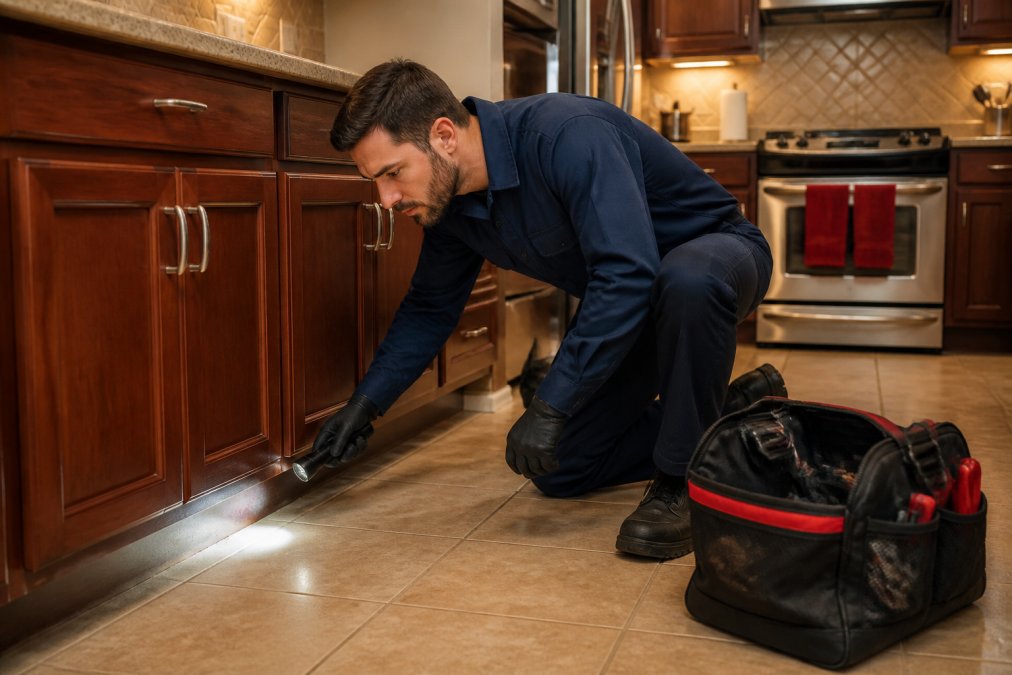
Cockroach eradication is one of the most requested treatments. Cockroaches carry pathogens that contaminate food surfaces and trigger allergic responses, particularly in children. German cockroaches breed rapidly and develop resistance to over-the-counter sprays, making professional-grade gel baiting and insect growth regulators far more effective.
Ant treatment requires identifying the colony, not just the foragers. A licensed technician uses targeted baiting that workers carry back to the nest, collapsing the colony from the inside.
Spider control is particularly relevant in older homes with roof voids and subfloor spaces. Most spiders are harmless, but redbacks and white-tails are a genuine health hazard. Barrier protection treatments applied to external walls, eaves, and entry points significantly reduce spider activity.
Rodents, Bed Bugs, and Fleas
Rodent control involves more than trapping. Rats and mice cause structural damage by gnawing through electrical wiring, insulation, and timber. A proper rodent management programme includes baiting systems, exclusion work to seal entry points, and follow-up inspections to confirm resolution.
Bed bug removal is one of the most technically demanding treatments in residential pest control. Bed bugs hide in seams, skirting boards, and electrical outlets, surviving months without a blood meal. Effective treatment typically requires heat treatment or a targeted chemical programme across multiple visits.
Flea control is frequently requested at end-of-lease when departing tenants leave behind an infestation. A licensed exterminator treats both interior surfaces and the yard to break the flea life cycle.
Signs of Termite Infestation You Should Not Ignore
Termites cause more property damage annually across Australia than most other pest species combined, according to guidance published by the Australian Government’s Building and Construction resources. The earlier an infestation is detected, the less expensive and disruptive the treatment.
Watch for these warning signs:
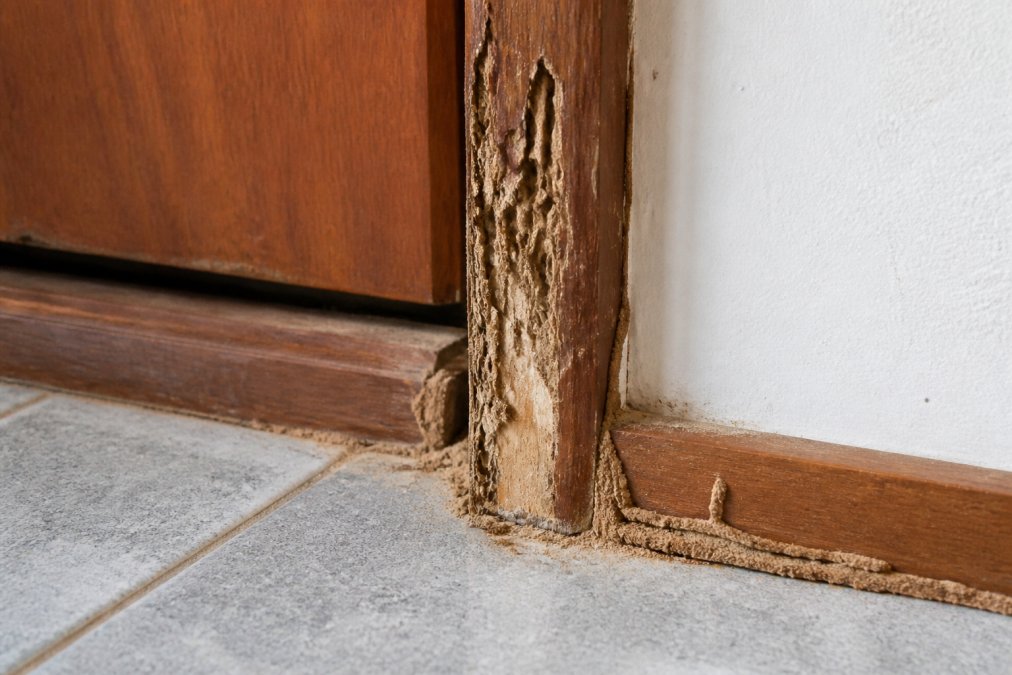
- Hollow-sounding timber when tapped, particularly in door frames, skirting boards, and flooring
- Mud tubes running along foundations, walls, or piers
- Blistered or bubbled paint on walls that does not correspond to moisture damage
- Frass, fine powdery material resembling sawdust, near timber structures
- Doors or windows that suddenly become difficult to open or close
- Discarded wings near window sills or light sources after a termite swarm
A termite inspection involves systematic assessment of all accessible timber, sub-floor spaces, roof voids, and external perimeter using moisture meters and, where appropriate, thermal imaging. The inspection identifies active colonies, evidence of past activity, and environmental conditions that make the property vulnerable.
Eco-Friendly Pest Control Methods That Still Deliver Results
The assumption that eco-friendly pest control means weaker results is outdated. Integrated pest management, or IPM, is the framework most licensed technicians follow. As defined by the Australian Pesticides and Veterinary Medicines Authority, responsible pesticide use involves selecting the lowest-risk product that achieves the required outcome.
Eco-friendly treatments work through a combination of approaches:
- Non-toxic baiting systems targeting specific species without broad-spectrum chemical application
- Physical exclusion sealing gaps, voids, and entry points
- Biological controls using naturally occurring predators or pathogens
- Low-toxicity residual sprays applied only to affected surfaces
For families with young children or pets, treatments labelled as kids and pet-safe use formulations with lower mammalian toxicity. Ask any technician not just “is it safe?” but “how is it applied, and how long before re-entry?” Non-toxic solutions are particularly effective for ant treatment, spider control, and ongoing prevention. For severe infestations like cockroach eradication in commercial kitchens or rodent control in food storage areas, a targeted chemical programme may be necessary, but the goal is always minimum effective intervention.
Pest Control Cost Estimate: What Shapes the Price
A pest control cost estimate varies depending on several factors. Understanding them helps you compare quotes accurately.
The main variables that influence pricing:
Factor | Impact on Price |
|---|---|
Property size | Larger floor area requires more product and time |
Pest species | Some treatments (e.g., bed bugs, termites) are more complex |
Infestation severity | Established infestations take longer to resolve |
Treatment type | Chemical, heat, or fumigation carry different costs |
Number of visits | Single treatment vs. multi-visit programme |
Access difficulty | Roof voids, sub-floor, and dense landscaping add time |
For a reliable pest control cost estimate, contact a licensed technician for a property-specific quote. Trident Pest Control uses fixed, transparent pricing with no hidden charges. What to be cautious about: quotes that seem unusually low often exclude follow-up visits, use lower-grade products, or apply only to one area of the property.
DIY vs. Professional Treatment: An Honest Cost-Benefit Breakdown
Most people try DIY first. Supermarket sprays and hardware store baits work well for minor, early-stage problems and very poorly for established infestations.
DIY makes sense for:
- Occasional ant trails along an external path
- A single spider sighted in a low-risk area
- Preventive measures like door seals between professional visits
DIY consistently falls short for:
- Cockroach infestations inside cabinetry (over-the-counter sprays scatter the colony)
- Rodent activity inside wall cavities (traps without exclusion only catch individuals)
- Termite detection and treatment (DIY products are not permitted under Australian Standards AS 3660.1 and AS 3660.2, which require licensed technicians)
- Bed bug removal (requires equipment and products not available to the public)
A DIY attempt that fails and allows an infestation to grow for four to six weeks often results in a more expensive professional treatment than if the exterminator had been called initially. For recurring problems, the question is not whether to call a professional but how soon. According to guidance from Consumer Affairs Victoria, landlords have a duty to maintain rental premises free from pest infestations, which means the cost of professional treatment is frequently a landlord responsibility.
How to Choose a Licensed Pest Control Technician
Choosing a licensed pest control technician comes down to verified credentials, transparent process, and a clear service guarantee. Technicians must hold a current pest management licence issued under the Public Health and Wellbeing Act 2008 (Vic). Always ask to see the licence number before any work begins.
Beyond the licence, ask these questions:
- Are you insured for public liability?
- What products will you use, and are they registered with the Australian Pesticides and Veterinary Medicines Authority?
- What is the re-entry time after treatment, and are there precautions for children or pets?
- Do you offer a service guarantee?
- Is the quote fixed, or can additional charges be added?
Local pest experts operating in your specific area have direct knowledge of the pest species and seasonal pressures most common to your suburb.
Seasonal Pest Calendar: When to Book Each Treatment
Pest activity follows predictable seasonal patterns. Booking at the right time prevents infestations rather than reacting to them.
Season | Peak Pest Activity | Recommended Treatment |
|---|---|---|
Summer (Dec-Feb) | Ants, cockroaches, spiders, flies | Barrier protection, ant treatment, cockroach eradication |
Autumn (Mar-May) | Rodents seeking shelter, bed bugs | Rodent control, exclusion work |
Winter (Jun-Aug) | Cockroaches indoors, rodents | Interior cockroach treatment, rodent baiting |
Spring (Sep-Nov) | Termite swarms, fleas, ants | Termite inspection, flea control, ant treatment |
Annual maintenance visits, ideally timed in late winter or early spring, are the most cost-effective way to stay ahead of termite season and the summer ant surge.
Post-Treatment Maintenance Checklist
A professional treatment delivers the best long-term results when combined with ongoing property maintenance. Use this checklist after any pest exterminator visit:
- Keep the treated area undisturbed for the re-entry period specified
- Do not mop or wipe treated surfaces for at least 72 hours
- Seal all food in airtight containers and clean up crumbs promptly
- Fix any leaking taps, pipes, or drainage issues
- Seal gaps around pipes, cables, and door frames
- Clear leaf litter, timber piles, and dense vegetation from the property perimeter
- Check roof gutters and downpipes for blockages
- Schedule your next inspection based on the seasonal calendar
- Keep your treatment report on file, particularly if you are a landlord or property manager
For commercial properties, a documented pest management plan recording each treatment, product used, and next scheduled visit is essential for food safety compliance under the Food Standards Australia New Zealand standards.
Persistent pest problems rarely resolve themselves, and every week of inaction allows an infestation to grow. Trident Pest Control’s licensed and insured technicians provide fixed-price, same-day service for residential and commercial properties, with kids and pet-safe treatments and no hidden charges. Get your free quote from Trident Pest Control and have the problem resolved by local experts who know the area.
Frequently Asked Questions
How much does pest control cost in Melbourne?
Pricing varies based on the type of pest, the size of the property, and the treatment method required. Trident Pest Control offers fixed, transparent pricing with no hidden charges. Request a free quote to get an accurate figure for your specific situation.
What is the difference between pest control and extermination?
Extermination focuses on eliminating an active pest infestation, typically through chemical treatments or trapping. Pest control is broader: it includes extermination plus ongoing prevention, property inspection, baiting systems, and a long-term pest management plan designed to stop infestations from returning. A licensed pest exterminator will usually recommend both an immediate treatment and a maintenance schedule to address root causes such as entry points, sanitation issues, and structural vulnerabilities.
Is it safer to hire a professional or attempt DIY pest control?
DIY products available in hardware stores can manage minor issues, but they rarely eliminate the source of an infestation. Professional licensed technicians are trained to identify pest species accurately, apply treatments at the correct concentration, and use integrated pest management strategies that are safe for children and pets. For cockroach eradication, rodent control, termite inspection, or bed bug removal, professional treatment is consistently more effective and reduces the health hazards associated with prolonged infestations.
What should I look for in a licensed pest control technician?
Confirm the technician holds a current licence issued under Victoria's Public Health and Wellbeing Act 2008 (Vic). Ask whether the business carries public liability insurance. Look for fixed pricing with written quotes, a clear pest management plan, and a service guarantee. Local expertise matters too: technicians familiar with seasonal pest patterns in your area will recommend treatments timed to when specific pests are most active, improving long-term results.
This article was written using GrandRanker