
Table of Contents
- How to Identify Dangerous Spiders Before You Act
- Seasonal Spider Behaviour and Why It Matters
- Natural Spider Deterrents That Are Safe for Pets and Kids
- How to Get Rid of Spiders: Step-by-Step Home Treatment
- Long-Term Spider Control Through Integrated Pest Management
- Spider Control Werribee and Williams Landing: Local Considerations
- Spider Control Hoppers Crossing: What Residents Need to Know
- When to Get Rid of Spiders With Professional Help
Last Updated: August 24, 2026
How to Identify Dangerous Spiders Before You Act
Knowing how to get rid of spiders starts with knowing which spider you’re actually dealing with. At Trident Pest Control, we see this mistake constantly: homeowners reach for a can of aerosol before confirming whether they’re looking at a harmless daddy long-legs or something that warrants real caution.
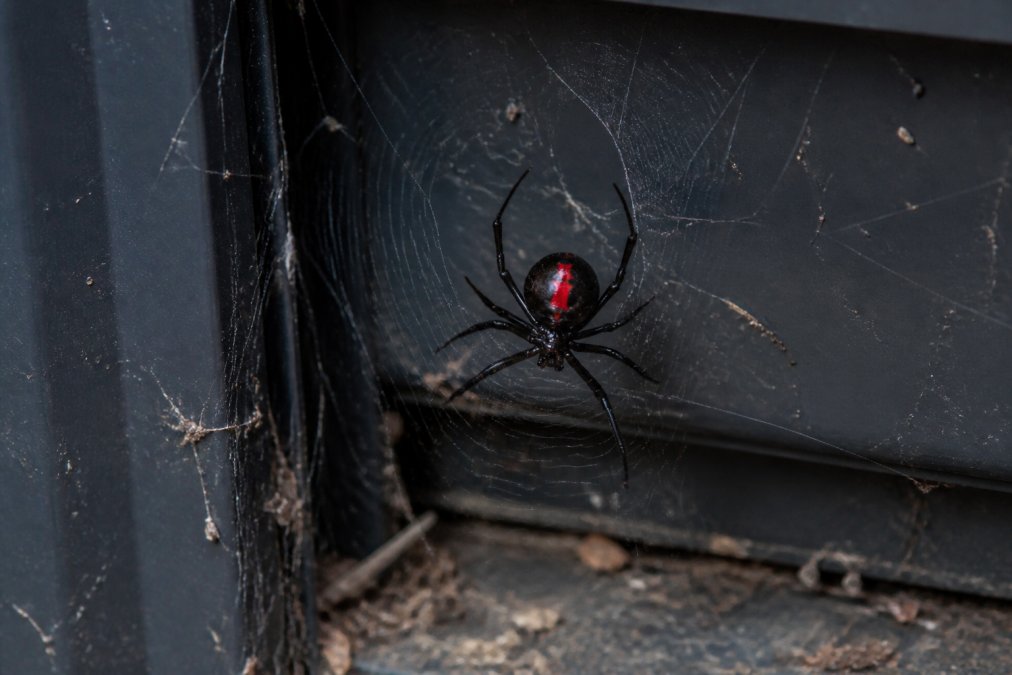
Australia is home to several spider species that pose genuine health risks. Understanding the key identifiers for the most dangerous ones will help you decide whether a DIY approach is appropriate or whether professional pest control is the safer call.
Redback Spiders
The redback is arguably the most recognised venomous spider in the country. Females are small and black with a distinctive red or orange stripe running along the upper abdomen. They prefer dry, sheltered spots: under outdoor furniture, inside letterboxes, behind garden sheds, and in window sills. Their webs are messy, tangled, and close to the ground. Redback bites can cause significant pain, sweating, and nausea, and children are particularly vulnerable.
Funnel-Web Spiders
Funnel-webs are among the most medically significant spiders in the world, according to Australian Museum’s spider identification resources. They’re dark, strong-bodied, and build funnel-shaped webs in moist, sheltered areas: under logs, in garden beds, and occasionally inside shoes or clothing left outdoors. Males wander during warmer months and are more likely to enter homes. Do not attempt removal yourself if you suspect a funnel-web.
White-Tailed Spiders
White-tails are slender, dark grey or black spiders with a distinctive white spot at the tip of the abdomen. They’re active hunters rather than web-builders, turning up in unexpected places: between bedsheets, inside clothing, under furniture. They tend to prey on other spiders, so a white-tail sighting often signals a broader spider population in the home. Their bite is painful and can occasionally cause skin irritation.
Seasonal Spider Behaviour and Why It Matters
Spider activity isn’t random. Understanding seasonal patterns gives you a genuine advantage in preventing infestations before they take hold.
Spring and early summer are peak breeding seasons. Female spiders lay egg sacs during this period, and a single sac can contain hundreds of spiderlings. Autumn brings a different problem: male spiders begin wandering in search of mates, pushing them indoors through doorways, gaps around window frames, and cracks in exterior walls.
Winter slows activity but doesn’t stop it entirely. Many species remain active in warmer microclimates inside homes, particularly in roof voids and wall cavities. Treating in late winter or early spring, before egg sacs hatch, is significantly more effective than reacting to an active infestation in summer.
Timing your treatment to late winter or early spring, before breeding season peaks, is one of the most effective preventative measures you can take. A residual barrier spray applied before egg sacs hatch dramatically reduces the population you’ll manage through summer.
Natural Spider Deterrents That Are Safe for Pets and Kids
Many families want to get rid of spiders without introducing chemical insecticide treatments into spaces where children crawl and pets rest. Several natural repellents are genuinely effective for managing low-level spider activity, though they work best as part of a broader prevention strategy.
Peppermint Oil and Essential Oil Sprays
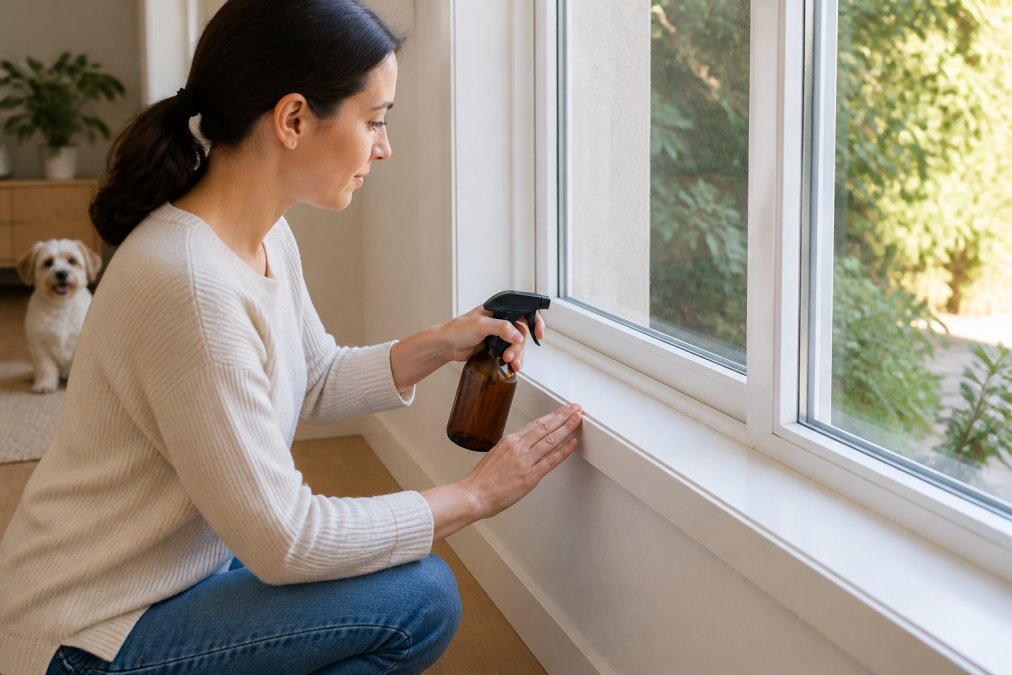
Spiders detect their environment through sensory organs on their legs, and strong aromatic compounds like peppermint oil are genuinely off-putting to them. A simple spray made from water and a few drops of peppermint essential oil, applied along window sills, doorways, and crevices where spiders enter, can deter them from settling.
Reapplication is essential. Natural sprays don’t leave a residual barrier the way chemical treatments do, so you’ll need to apply them every few days, particularly after cleaning or rain. Tea tree oil and eucalyptus oil work similarly.
Vinegar Solution and Liquid Dish Soap
A vinegar solution, mixed with water in roughly equal parts, acts as a contact deterrent when sprayed directly onto spiders and their webs. Adding a small amount of liquid dish soap helps the solution adhere to surfaces. These solutions are non-toxic, inexpensive, and safe around children and pets once dry. The limitation is the same as with essential oils: no lasting residual effect.
| Deterrent | Application Method | Reapplication Frequency | Pet & Kid Safe |
|---|---|---|---|
| Peppermint oil spray | Spray around entry points | Every 2-3 days | Yes (when dry) |
| Vinegar solution | Direct contact or surface spray | Every 2-4 days | Yes (when dry) |
| Liquid dish soap mix | Combined with vinegar spray | Every 2-4 days | Yes (when dry) |
| Residual barrier spray | Applied by licensed technician | Every 3-6 months | Yes (after dry time) |
How to Get Rid of Spiders: Step-by-Step Home Treatment
Follow these steps in sequence for the best results. Skipping steps, particularly the first two, is the most common reason DIY treatments fail.
Step 1: Remove Webs and Egg Sacs
Web removal is the starting point. Active webs signal active spiders, and egg sacs left in place will hatch regardless of what you spray. Use a vacuum cleaner with a hose attachment to remove webs from corners, ceiling edges, behind furniture, and around window frames. Dispose of the vacuum bag immediately in a sealed outdoor bin.
Pay particular attention to egg sacs: small, silken pouches tucked into protected corners. Vacuum them directly rather than brushing them away.
Never crush an egg sac with your hand or a cloth. A single sac can contain hundreds of spiderlings. Vacuuming is the only reliable method for complete removal without dispersal.
Step 2: Seal Entry Points and Cracks
Spiders enter through gaps. Check and seal:
- Gaps around window frames and door seals
- Cracks in external walls and foundations
- Spaces around pipes and cables entering the building
- Gaps under doors (a door sweep is effective)
- Vents without fine mesh screening
Silicone sealant works well for most cracks and gaps. This step significantly reduces entry points available to spiders.
Step 3: Apply a Residual Barrier Spray or Aerosol
A residual spray applied around the perimeter of the home, including along the base of external walls, around doorways, and across window sills, creates a chemical barrier that kills spiders on contact for weeks after application.
Consumer-grade aerosol products from hardware stores can be effective for light infestations when applied correctly. Always follow label directions, ensure adequate ventilation, and keep children and pets out of treated areas until surfaces are fully dry. For persistent infestations, a licensed technician will apply professional-grade residual spray that provides longer-lasting protection and reaches areas that aerosol cans cannot.
Step 4: Reduce Clutter and Improve Sanitation
Spiders thrive where they have cover and prey. Indoors, clear storage areas and reduce cardboard box accumulation. Outdoors, move firewood away from the house, trim vegetation back from external walls, and remove leaf litter from garden beds.
Outdoor lighting also plays a role. Bright lights attract flying insects, which attract spiders. Switching to yellow or sodium-vapour bulbs reduces the food source that draws spiders toward your home.
Long-Term Spider Control Through Integrated Pest Management
The spray-and-forget approach doesn’t work. Long-term spider control requires integrated pest management, a structured approach combining habitat modification, preventative measures, monitoring, and targeted treatment only when necessary.
According to the Australian Environmental Pest Managers Association’s IPM guidelines, integrated pest management prioritises prevention over reaction. The core principles applied to spider control are:
- Identify the species present and understand their behaviour and habitat preferences
- Modify the habitat by removing food sources, shelter, and entry points
- Monitor regularly to catch population increases before they become infestations
- Apply treatment only when monitoring shows a threshold has been crossed
- Evaluate outcomes and adjust the approach based on what’s working
This framework is particularly valuable for families with young children or pets, where minimising chemical exposure is a priority.
Integrated pest management is the most effective long-term strategy for spider control. It addresses the root causes of infestation rather than just visible symptoms, and it reduces the frequency and volume of chemical treatments needed over time.
Spider Control Werribee and Williams Landing: Local Considerations
Werribee and Williams Landing share a landscape that creates specific conditions for spider activity. The mix of newer residential developments, established garden corridors, and proximity to the Werribee River wetlands means residents commonly encounter a broader range of spider species than in more urbanised suburbs.
New builds in Williams Landing often have landscaping still establishing, with disturbed soil and garden beds creating ideal habitat for ground-dwelling spiders. Redbacks are particularly common in these environments, taking up residence under pavers and around outdoor furniture. Spider Control Werribee residents should be aware that the warmer, drier microclimate in western suburbs extends the active season for many species.
For effective spider control in these areas, the barrier spray step is especially important. Homes with large garden areas or properties backing onto open land need perimeter treatment that accounts for the higher ambient spider population in the surrounding environment. Trident Pest Control‘s licensed technicians service Werribee and Williams Landing regularly and understand the specific pest pressures these suburbs present.
Spider Control Hoppers Crossing: What Residents Need to Know
Hoppers Crossing sits in a zone where residential density meets older housing stock, creating its own spider control challenges. Many homes have established gardens, ageing weatherboard or brick exteriors with existing gaps and cracks, and roof spaces that haven’t been inspected in years.
Spider Control Hoppers Crossing is frequently requested because the older building stock provides significantly more entry points than newer construction. Gaps around ageing window frames, cracked mortar, and deteriorating door seals give spiders easy access to wall cavities and roof voids. White-tailed spiders are commonly reported in these homes, often found in bedrooms where they hunt other spiders.
The most effective approach for Hoppers Crossing properties combines thorough web and egg sac removal, gap sealing around windows and doors, and a professional residual spray applied both internally and externally. Annual or biannual treatments are generally sufficient for most properties.
When to Get Rid of Spiders With Professional Help
DIY methods are appropriate for low-level spider activity in homes without significant risk factors. Professional pest control is the right call when:
- You’ve identified or suspect a venomous species such as a redback or funnel-web
- You’re finding spiders regularly despite DIY treatment
- You’ve discovered egg sacs in multiple locations throughout the home
- Spiders are present in areas you can’t safely access, such as roof voids or wall cavities
- You have young children, elderly residents, or family members with health conditions that increase bite risk
- An end-of-lease inspection is approaching and you need documented pest control
As noted in Better Health Channel’s spider safety information, bites from venomous spiders require immediate medical attention, and professional pest control is recommended where dangerous species are suspected.
Professional treatments use residual sprays formulated for longer protection than consumer products, applied with equipment that reaches roof voids, subfloor spaces, and external wall cavities. A licensed technician will also identify the species present, which shapes the entire treatment approach.
For anyone in the western Melbourne region, Trident Pest Control offers licensed, insured spider control with kids and pet-safe treatments and same-day service where available. The team works across Werribee, Hoppers Crossing, Williams Landing, and surrounding suburbs. For current pricing and availability, get in touch directly for a free quote.
Always ask your pest control provider whether their technicians are VIC licensed and insured before booking. Licensing requirements for pest control in Victoria are set under the Public Health and Wellbeing Act 2008. You can verify licensing status through the [Victorian Department of Health pest management licensing register](https://www.health.vic.gov.au/environmental-health/pest-control-legislation-and-licensing).
Spiders are a persistent challenge for homeowners across western Melbourne, and the combination of local species diversity, seasonal behaviour patterns, and older housing stock means a single treatment rarely tells the whole story. Trident Pest Control provides licensed, insured spider control with fixed pricing and no hidden charges, covering Werribee, Hoppers Crossing, Williams Landing, and the broader region. With kids and pet-safe treatments and same-day service available, the team is equipped to handle everything from a single redback to a whole-home infestation. Get your free quote today and get rid of spiders for good.
Frequently Asked Questions
What is the fastest way to get rid of spiders in the house?
The quickest results come from combining two actions: vacuum up all visible spiders, webs, and egg sacs immediately, then apply a residual barrier spray along skirting boards, window sills, and doorways. This disrupts the existing population and stops new spiders crossing into the home. For a faster, longer-lasting outcome, a licensed pest control technician can apply a professional-grade insecticide treatment that covers nooks and crevices DIY sprays often miss.
Are DIY spider repellents safe for pets and children?
Most natural spider deterrents, including diluted peppermint oil and apple cider vinegar solutions, are low-risk for pets and children when used as directed. However, some chemical insecticides contain pyrethroids that can be harmful to cats in particular. Always check the product label for pet safety warnings, ensure the area is ventilated, and keep children and animals out of treated rooms until surfaces are fully dry, typically one to two hours after application.
How do I identify dangerous spiders in my area?
The three species requiring the most caution are the redback spider (black body with a red or orange stripe on the abdomen), the funnel-web spider (dark, glossy body with visible fangs, found in moist garden areas), and the white-tailed spider (grey body with a white tip). If you spot any of these, avoid handling them. Photograph the spider from a safe distance and contact a licensed pest control professional for safe removal and treatment of the affected area.
When should I call a professional pest control service for spiders?
Call a professional if you find venomous species such as redbacks or funnel-webs on your property, if webs and spiders return within weeks of DIY treatment, or if you have an active infestation across multiple rooms. A licensed technician can apply a targeted residual spray, identify hidden entry points, and recommend an integrated pest management plan to prevent re-infestation. This is especially important in homes with young children, toddlers, or pets.
This article was written using GrandRanker