Last Updated: November 17, 2026
Quick Summary
Pest treatments safe is possible when applied correctly, at the right dose, with the right precautions, since every pesticide is toxic at a high enough exposure level. There is no single universal re-entry period, so follow the product label and your technician’s written instructions on ventilation and staying out until surfaces are dry.
- Toxicity is how harmful a substance is at a given exposure level; dose is how much reaches you.
- Respiratory irritation after indoor use is usually a ventilation problem, not a product problem.
- Keep people and pets out until indoor surface spray is dry, commonly a few hours.
- Fogging and space sprays typically require a longer exclusion period than surface sprays.
- Ask for the re-entry time in writing, including any ventilation steps, before booking.
Table of Contents
- Are Chemical Pest Treatments Safe? What the Evidence Actually Says
- How Pesticides Work, and Why Dose and Toxicity Matter
- Exposure Routes: Inhalation, Ingestion and Skin Contact
- How Long to Stay Out After Pest Control: Re-Entry and Ventilation
- Pest Control Safety for Children and Pets
- Your Pest Control Preparation Checklist
- Non-Toxic Pest Control Options and When They Work
- Choosing a Licensed Pest Controller in Werribee
- Frequently Asked Questions
Are Chemical Pest Treatments Safe? What the Evidence Actually Says
Short answer: pest treatments safe is possible, but “safe” is never a yes-or-no label. Every pesticide is toxic at a high enough exposure level, as the National Pesticide Information Center explains in its safety fact sheet puts it. So the real question is whether a treatment is safe when applied correctly, at the right dose, with the right precautions.
That’s the question this guide answers. The worries people most often raise are about kids, dogs and whether anyone needs to move out for the day. Below, we’ll show you exactly how to judge a treatment’s safety, what to ask before booking, and how long to stay out afterwards.
How Pesticides Work, and Why Dose and Toxicity Matter
Toxicity is a measure of how harmful a substance is at a given exposure level. Dose is how much of it reaches you. A product with low toxicity at a small dose can still cause problems at a large one.
Three things shape your real-world dose:
- Active ingredient: the chemical doing the killing
- Carrier: the solvent or propellant that spreads it
- Residue: what stays on surfaces after drying
Active ingredients, carriers and residues
Modern products split into families. Synthetic pyrethroids and pyrethrins are common for cockroaches and spiders. Insect growth regulators stop insects breeding rather than killing on contact. Baits use a small toxic dose mixed with food.
Residue is where most household worry sits. A surface spray leaves a film. Once dry, that film is far less available to touch or inhale, but it doesn’t vanish.
Acute versus longer-term exposure
Acute toxicity shows up fast: dizziness, nausea, skin irritation. Longer-term exposure means repeated low-level contact over months or years. Most home treatments are designed around the acute risk, because that’s the realistic exposure path when label directions are followed.
Exposure Routes: Inhalation, Ingestion and Skin Contact
There are three ways a pesticide gets into your body, and each has its own simple defence.
- Inhalation: breathing in spray mist or fumes. Fixed by ventilation and staying out during application.
- Ingestion: hand-to-mouth contact, unwashed produce, or food left out. Fixed by covering food and washing hands.
- Skin contact: touching treated surfaces before they dry. Fixed by gloves, covered skin and a good wash.
Respiratory irritation is the most common complaint after indoor use. That’s usually a ventilation problem, not a product problem. Open windows, run exhaust fans, and don’t sit in a closed room straight after a spray.
How Long to Stay Out After Pest Control: Re-Entry and Ventilation
The honest answer: there is no single universal waiting period. Re-entry timing depends on the active ingredient, the formulation, the application method, the surfaces treated, and the ventilation available. The product label, and the technician’s written instructions, are the authority, not a generic rule of thumb.
In Australia, pesticide products are registered by the Australian Pesticides and Veterinary Medicines Authority (APVMA) and carry a label that sets out directions for use. Applicators are expected to follow that label. If a product has no stated re-entry period, that does not mean zero risk, it means the label expects you to follow the general precautions (ventilation, keeping people and pets away until dry) printed on it.
Why the method changes the answer
- Indoor surface spray: the usual instruction is to keep people and pets out until treated surfaces are dry, which is commonly a few hours depending on humidity and airflow. Residue on a dry film is far less available to touch or inhale than wet spray.
- Fogging or space spray: these disperse fine droplets through the air, so labels typically require a longer exclusion period and thorough airing before re-entry. Follow the label exactly rather than guessing.
- Gel bait: applied in cracks and concealed spots, so there is usually no re-entry wait beyond avoiding the baited areas.
- Outdoor perimeter spray: once dry, usually a short wait; keep children and pets off treated garden beds and lawns until the label says it is safe.
Ventilation is part of the instruction, not an optional extra
Open windows and doors, run exhaust fans and ceiling fans, and let rooms air before you settle back in. Respiratory irritation after indoor use is most often a ventilation problem rather than a product problem. If the label specifies a ventilation step, treat it as mandatory.
Ask for the specific re-entry time in writing, including any ventilation steps. Weather matters outdoors too: rain can wash product off before it dries and wind can carry drift, so reschedule if conditions turn.
Watch out: the most common mistake is treating “dry to the touch” as the same as “safe to re-enter” for every product, for fogging and some space sprays the label may require longer, so check the specific product rather than assuming.
Re-entry timing depends on the method used, so here is how the main treatment types compare.
| Treatment method | Re-entry guidance | Note |
|---|---|---|
| Indoor surface spray | Keep people and pets out until surfaces are dry | Commonly a few hours depending on humidity and airflow |
| Fogging or space spray | Labels typically require a longer exclusion period | Follow the label exactly rather than guessing |
| Gel bait | Usually no re-entry wait | Avoid the baited areas |
| Outdoor perimeter spray | Usually a short wait once dry | Keep children and pets off treated beds and lawns |
Pest Control Safety for Children and Pets
Children and pets are more sensitive for a simple reason: they’re smaller, they’re closer to the floor, and they put things in their mouths. That doesn’t mean you can’t treat a family home. It means the precautions matter more.
What we tell every household:
- Clear toys, bowls and pet bedding before treatment
- Keep kids and animals off treated floors until dry
- Cover fish tanks and turn off pumps
- Store any leftover product locked away
If you want the local detail on this, we’ve set out how treatments are kept safe for pets in Werribee, and there’s a separate look at whether pet-safe flea treatments actually work if fleas are your concern.
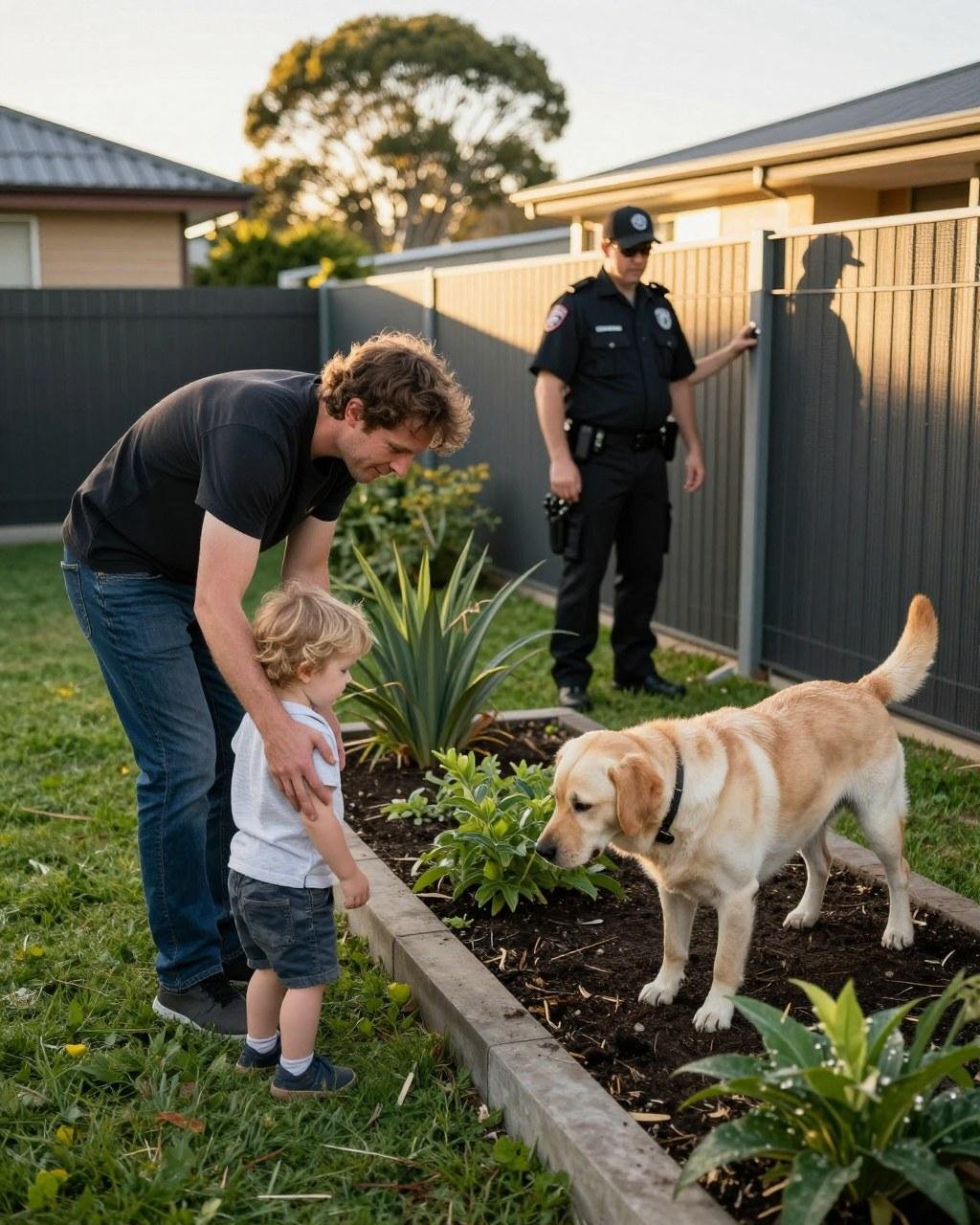
Watch out: the biggest mistake is letting the dog back in “just for a minute” while floors are still tacky. Wet residue transfers straight to paws, then to mouths.
Your Pest Control Preparation Checklist
Good preparation does a great deal of the safety work. Print this and work through it.
Before, during and after treatment
- Read the product label or ask your technician what’s being used
- Clear floors, benchtops and food storage areas
- Cover or remove food, pet bowls and utensils
- Move pets and kids to another room or outside
- Note the re-entry time your technician quotes
- Ventilate as instructed once you return
- Wash hands after handling anything treated
- Watch for irritation and call your technician if unsure
Non-Toxic Pest Control Options and When They Work
Non-chemical control covers everything from sealing gaps and fixing leaks to traps, baits and essential oils. It works best as prevention and light infestations. It struggles against established termites or a full cockroach colony.
Where non-chemical methods shine:
- Rodent-proofing entry points
- Reducing moisture that attracts pests
- Bait stations for minor ant problems
- Screening and door seals
If you’re weighing up gentler options for a pet-owning home, our guide to safe pest control alternatives for homes with pets goes deeper.
Choosing a Licensed Pest Controller in Werribee
In Victoria, pest control work is regulated (Pest control licence conditions). Ask any applicator to show you their licence and insurance before work starts, and check that the licence covers the type of treatment proposed.
A technician should follow the APVMA-registered product label, which sets out the directions for use, safety precautions and any re-entry or withholding periods. It is reasonable to ask what product is being used and to see the label or safety information.
Questions worth asking before you book
- What active ingredient and product are you using, and can I see the label or safety data?
- What is the re-entry time, and what ventilation steps should I take afterwards?
- Are you licensed and insured, and what does your licence cover?
- Where exactly will you apply the product, and which areas will you avoid?
- What precautions should I take for children, pets, fish tanks and food?
- Is the quote fixed, or can it change on the day?
- What is the follow-up if pests return, and what does that involve?
A common pattern is that the most useful answers are specific: a named product, a stated re-entry period, and clear instructions for preparing rooms and protecting pets. Vague answers are a reason to ask again or look elsewhere.
We have written a fuller walkthrough on how to verify and choose a licensed technician if you want the detail. Ask those questions of anyone you call, a technician who can answer them clearly is usually the one who will also follow the label on the day.
Pests don’t wait, and neither should your peace of mind. Trident Pest Control sends licensed and insured technicians across Werribee and Western Melbourne, with kids and pet-safe treatments, fixed pricing and no hidden charges, plus same-day service when you need it. Get started with Trident Pest Control and get your home back to normal, safely.
Frequently Asked Questions
Are chemical pest treatments safe for people and pets?
Safety depends on the product, the dose and how it is applied. Every pesticide is toxic at a high enough exposure level, so no treatment is entirely risk-free. Licensed applicators reduce risk by using registered products at label rates, targeting cracks, voids and harbourage areas rather than open surfaces, and telling you when to stay off treated areas. Follow the re-entry time on your service report and keep children and pets away until surfaces are dry and ventilated.
How long should you stay out of the house after pest control?
There is no single number. Re-entry time depends on the product, the application method and ventilation. Internal spray treatments and fogs can require different exclusion periods, with fogs typically needing longer. Your technician should state the exact time on the label directions and your report. When you return, open windows and doors, run fans, and wait until surfaces are dry before anyone sits or plays on them.
Is pest control spray safe once it has dried?
Drying reduces the immediate risk from inhalation and skin contact, but it does not make residue disappear. Treated skirting boards, cupboard edges and cracks can hold residue for weeks. Wipe food-preparation surfaces before use, wash hands after touching treated areas, and avoid dry sweeping, which lifts residue into the air. If you have a crawling baby or a pet that licks surfaces, ask your technician which products were used so you can manage those areas.
What should you ask a pest controller about the chemicals they use?
Ask for the product name and active ingredient, the re-entry time, whether the treatment is internal or external, and what preparation is needed. Ask to see the technician’s current licence and proof of insurance. Ask how they protect children, pets and sensitive groups, and what they do if a treatment needs a follow-up. A licensed operator should answer these clearly and put the details on your service report.
