
Table of Contents
- Do Ultrasonic Pest Repellers Work? What the Evidence Shows
- Ultrasonic Pest Repeller Limitations You Need to Know Before Buying
- Signs of Mice in the House: What to Look For Before You Buy Anything
- How to Keep Mice Out of Your House Without Ultrasonic Gadgets
- Pros and Cons of Ultrasonic Rodent Repellers: An Honest Assessment
- When to Call a Professional Rodent Controller in Werribee
- Conclusion: Are Ultrasonic Rodent Repellers Worth It for Your Home?
- Frequently Asked Questions
Last Updated: October 9, 2026
Do Ultrasonic Pest Repellers Work? What the Evidence Shows
If you’re asking whether ultrasonic rodent repellers are worth it, the short answer is: usually not. The evidence for these plug-in devices is mixed at best, and what works in a lab rarely translates to a real home in Werribee. At Trident Pest Control, we get called to homes where the device has been humming in a hallway for months while mice carry on behind the skirting boards.
So why the gap between the marketing and the reality? Two reasons: controlled conditions and physics.
What Laboratory Studies Found Under Controlled Conditions
In tightly controlled lab settings, some studies have found that ultrasound can affect certain rodent species. McGill University’s review of ultrasonic pest repellers notes that higher-quality ultrasound generators have been shown to disrupt mating or eating habits under ideal conditions. That’s the strongest evidence these devices have. It’s also a long way from “keeps mice out of your house.”
Why Real Homes Produce Different Results
A laboratory is a sealed box. Your home is not. Sound bounces off walls, gets absorbed by furniture and soft furnishings, and drops off sharply with distance. A device rated for one room rarely reaches the next. Add the fact that mice can simply walk around the sound field, and the lab results stop mattering.
Ultrasound may change rodent behaviour in a sealed test box. In a real house, walls, furniture and distance blunt the signal before it reaches the rodents you’re trying to move.
Ultrasonic Pest Repeller Limitations You Need to Know Before Buying
The biggest limitation is simple: sound doesn’t travel through your house the way the packaging implies. A second issue is that rodents adapt. Together, these two factors explain why so many buyers end up disappointed.
Walls, Furniture, and the Physics Problem
Ultrasound is high-frequency sound, and high-frequency sound is easily blocked. A wall, a couch, a cupboard door, even a full bookshelf will absorb or deflect it. Manufacturers often claim coverage for a whole floor, but in practice the effective zone is a single open room at most. If mice are nesting in a wall cavity or behind a fridge, the sound never reaches them.
Habituation: Why Rodents Learn to Ignore the Sound
Rodents are quick learners. Terminix’s guide to ultrasonic repellers reports that research has found limited evidence of long-term control, and notes that rodents may simply become accustomed to the sound. Orkin’s analysis of ultrasonic rodent repellers goes further, describing only anecdotal evidence of short-term control, with rodents appearing to learn to tolerate the noise. In other words, even when a device has an effect, it tends to fade.
The most common mistake is buying one device and expecting it to cover an entire house. If the sound can’t reach the rodents, the device is doing nothing but using power.
Signs of Mice in the House: What to Look For Before You Buy Anything
Before spending money on any gadget, confirm you actually have mice. The signs are usually obvious once you know what to look for.
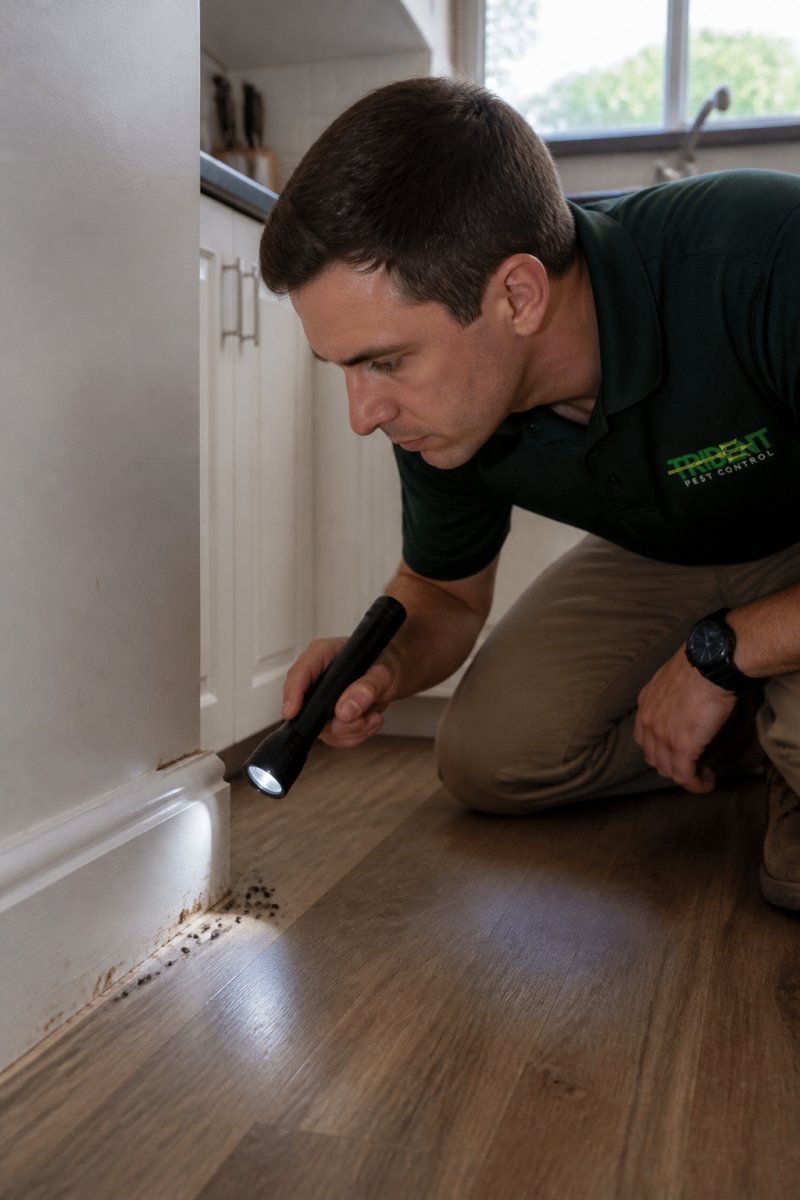
Check these spots first:
- Droppings along skirting boards, inside kitchen cupboards and behind appliances
- Gnaw marks on food packaging, timber, and even electrical cable
- Greasy rub marks where rodents travel along walls
- Scratching or scurrying sounds at night, especially in the ceiling
- Nesting material such as shredded paper or fabric in quiet corners
If you find several of these, you have an active infestation. A plug-in device won’t fix it.
How to Keep Mice Out of Your House Without Ultrasonic Gadgets
The methods that actually work are unglamorous, but they hold up. Blocking access and removing food beats any gadget on the market.
Seal Entry Points and Remove Food Sources
Walk the outside of your home and seal any gap wider than a pencil. Mice squeeze through surprisingly small openings. Focus on:
- Gaps around pipes, cables and vents
- Cracks in brickwork and foundations
- Gaps under external doors, including garage doors
- Roof voids and eaves
Inside, store food in sealed containers, clean up crumbs, and fix leaking taps. A mouse needs food, water and shelter. Remove one and the others become far less attractive.
Mice follow scent trails along walls, not open floor. Place traps and monitoring stations flush against skirting boards rather than in the middle of a room, and you’ll catch far more.
Pros and Cons of Ultrasonic Rodent Repellers: An Honest Assessment
Here’s the balanced view, because these devices aren’t completely useless.
| Factor | What Works | What Doesn’t |
|---|---|---|
| Cost | Cheap to buy and run | No lasting result if mice stay |
| Safety | No poison, no traps | Some pets and rodents may be unaffected |
| Coverage | A single open room | Whole-house claims rarely hold |
| Longevity | Short-term disturbance | Rodents often adapt within weeks |
| Evidence | Some lab effects | Limited proof of real-world control |
The pattern is clear. Ultrasonic repellers might disturb rodents briefly in a confined space. They don’t deliver the reliable, lasting control most households need.
When to Call a Professional Rodent Controller in Werribee
If you’ve sealed entry points, cleaned up food sources, and still hear scratching at night, the infestation has moved beyond DIY. A professional rodent controller in Werribee can identify where rodents are nesting, treat the problem at the source, and put a plan in place to stop it returning.
That’s where we come in. Trident Pest Control provides licensed and insured rodent control across Werribee and Western Melbourne, with fixed pricing and no hidden charges. Our treatments are designed to be safe around kids and pets, and we offer same-day service when you’re dealing with an active infestation. If you’re searching for rodent control near me, our local team knows the area and the pests that come with it.
Conclusion: Are Ultrasonic Rodent Repellers Worth It for Your Home?
For most households, the honest answer is no. The evidence points to limited, short-term effects at best, and real homes blunt the sound before it reaches the rodents. Sealing entry points and removing food sources will do more than any plug-in device.
If mice are already established, DIY gadgets won’t clear them. Trident Pest Control offers licensed and insured rodent control across Werribee and Western Melbourne, with kids and pet-safe treatments, fixed pricing, and same-day service available. Get your free quote and let our local team deal with the problem properly.
Frequently Asked Questions
Do ultrasonic rodent repellers actually work on mice?
The evidence is mixed but leans negative for real-world use. McGill University’s Office for Science and Society reports that some laboratory studies under ideal conditions found effects on certain species, and higher-quality ultrasound generators can disrupt mating or eating habits. However, Terminix notes research has found limited evidence of long-term control, and Orkin says rodents appear to learn to tolerate the sound. For dependable results in a Werribee home, professional rodent control is more reliable than a plug-in device.
Can mice get used to ultrasonic sounds?
Yes. Habituation is one of the most cited ultrasonic pest repeller limitations. Terminix states rodents may become accustomed to the sound, and Orkin reports rodents appear to learn to tolerate it over time. This means any initial avoidance behaviour tends to fade, often within days or weeks. If you are relying on a repeller as your only defence, expect its effect to diminish rather than strengthen.
Are ultrasonic rodent repellers safe for pets?
Most units operate at frequencies above human hearing, but pets such as dogs, cats, and rodents like guinea pigs can detect some of that range. There is no verified Australian safety data in the available research confirming harm, but reactions like restlessness or avoidance have been anecdotally reported. If you have small pets, speak to your vet before placing a repeller near their living area, and never rely on one as a substitute for proper rodent control.
When should I call a pest controller for rodents in Werribee?
Call a professional if you have found droppings, heard scratching in walls or ceilings at night, noticed gnaw marks on food packaging or cables, or seen a mouse during daylight hours. These are the classic signs of mice in the house and usually indicate an established population rather than a single visitor. A licensed technician can identify entry points, treat the infestation, and advise on prevention. Trident Pest Control offers same-day service across Werribee and Western Melbourne.